
LFI | LONG FIBRE INJECTION
HIGH QUALITY, ROBUST AND FUNCTIONAL.The technology for complex, high‑strength plastic components made of glass‑fiber‑reinforced polyurethane.
LFI Technology – Robust Structural Components with Integrated Functionality
LFI technology (Long Fiber Injection) is a plastics processing method used to manufacture high‑strength, dimensionally stable structural components. Thanks to flexibly adjustable process parameters, even large‑surface components can be produced with high stiffness and reproducible mechanical properties.
Based on our experience in engineering LFI components, functional features such as reinforcement ribs, fastening points, and mounting interfaces can be integrated directly into the part.
LFI is ideally suited for applications in the automotive and machinery industries, as well as in other sectors with demanding structural requirements.
LFI technology (Long Fiber Injection) is a plastics processing method used to manufacture high‑strength, dimensionally stable structural components. Thanks to flexibly adjustable process parameters, even large‑surface components can be produced with high stiffness and reproducible mechanical properties.
Based on our experience in engineering LFI components, functional features such as reinforcement ribs, fastening points, and mounting interfaces can be integrated directly into the part.
LFI is ideally suited for applications in the automotive and machinery industries, as well as in other sectors with demanding structural requirements.
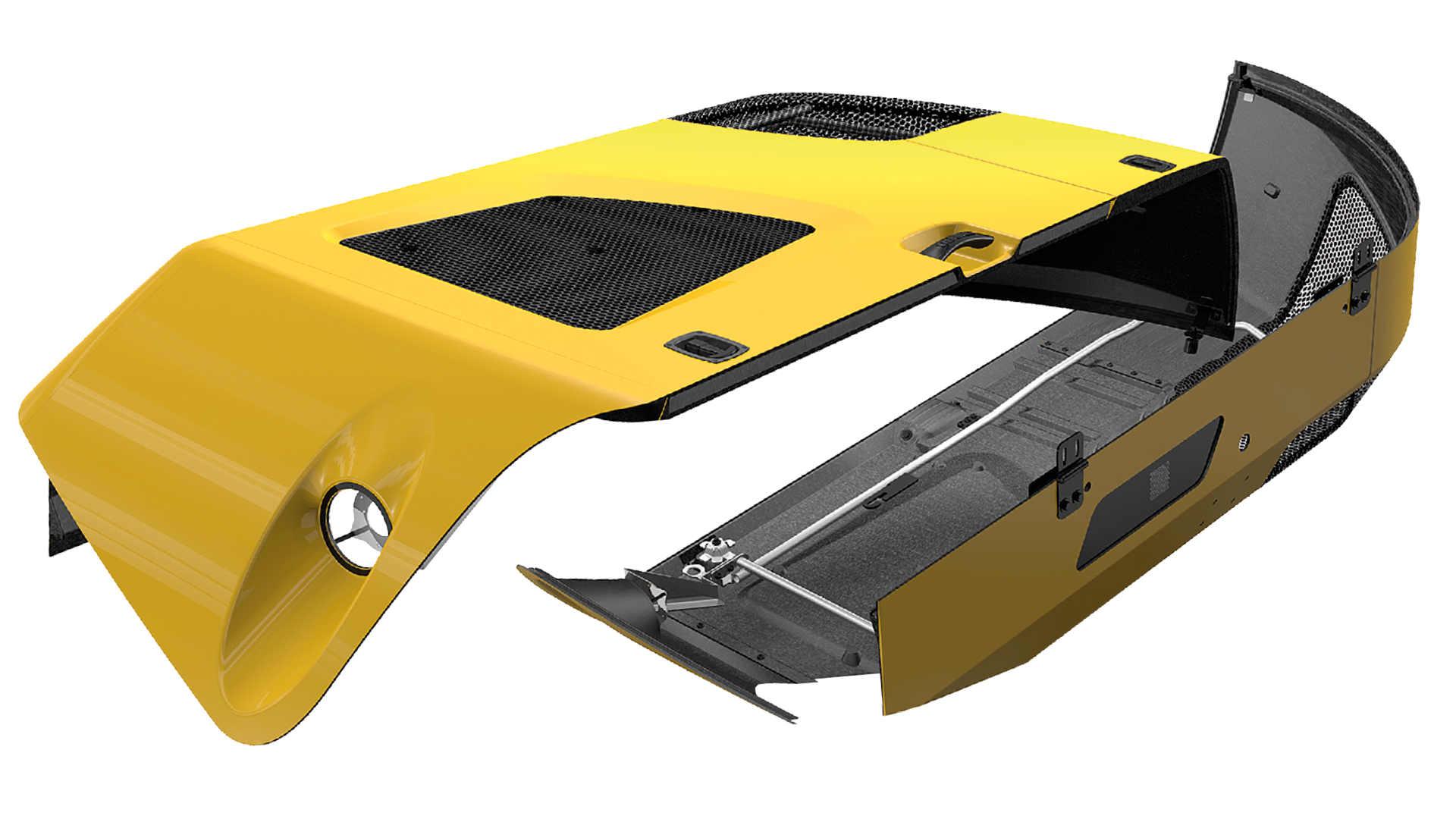
Extruded Plastic Films for High‑Quality Visible Components
Extruded ABS/PMMA plastic films with a fully pigmented PMMA layer enable high‑gloss Class‑A surfaces with impressive depth of appearance. They offer excellent UV stability and high scratch resistance, even under long‑term outdoor exposure.
Thanks to their excellent formability, even complex contours can be realized with consistently high surface quality. This technology is ideally suited for demanding exterior applications where appearance, durability, and design freedom are critical.
Extruded ABS/PMMA plastic films with a fully pigmented PMMA layer enable high‑gloss Class‑A surfaces with impressive depth of appearance. They offer excellent UV stability and high scratch resistance, even under long‑term outdoor exposure.
Thanks to their excellent formability, even complex contours can be realized with consistently high surface quality. This technology is ideally suited for demanding exterior applications where appearance, durability, and design freedom are critical.
- Premium
surfaces - Realization of
complex
geometries - Stability &
Robustness
Integrationof functions
What Is LFI (Long Fiber Injection)?
LFI (Long Fiber Injection) is a fiber‑reinforced manufacturing process used to produce high‑performance structural components with excellent mechanical properties. Component structure, density, and material characteristics can be flexibly adjusted, allowing each part to be optimally tailored to its specific application.
Cost‑Efficient Through Integrated Process Design
By integrating functional areas directly into the manufacturing process, LFI reduces assembly effort and overall costs. At the same time, the process offers high design freedom in terms of shapes, surfaces, and structural geometries.
LFI (Long Fiber Injection) is a fiber‑reinforced manufacturing process used to produce high‑performance structural components with excellent mechanical properties. Component structure, density, and material characteristics can be flexibly adjusted, allowing each part to be optimally tailored to its specific application.
Cost‑Efficient Through Integrated Process Design
By integrating functional areas directly into the manufacturing process, LFI reduces assembly effort and overall costs. At the same time, the process offers high design freedom in terms of shapes, surfaces, and structural geometries.
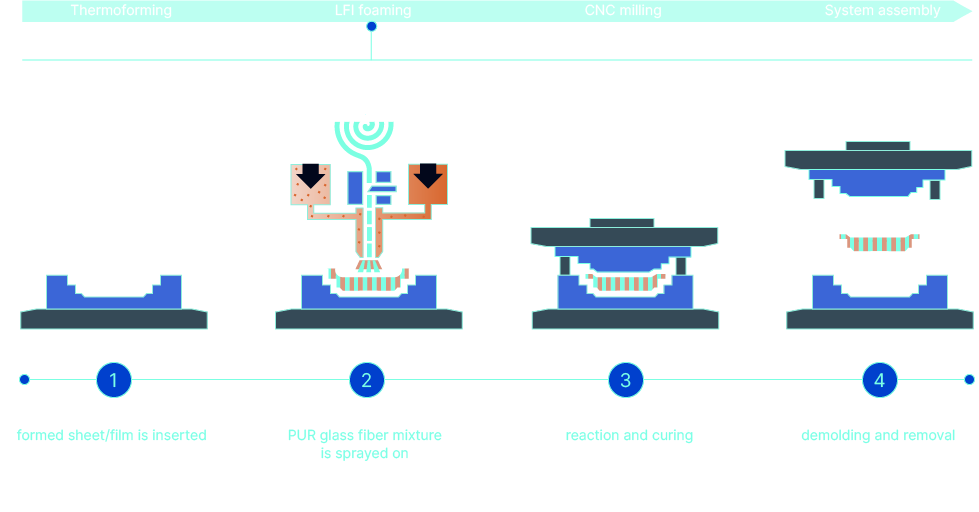
How does LFI work in production?
Versatile surfaces for interior and exterior applications
LFI enables a wide range of surface textures and designs for interiors and exteriors. Whether smooth, glossy surfaces, textured, matt finishes or customised solutions - LFI offers a wide range of design options.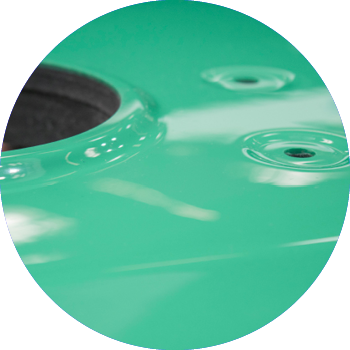
Class-A
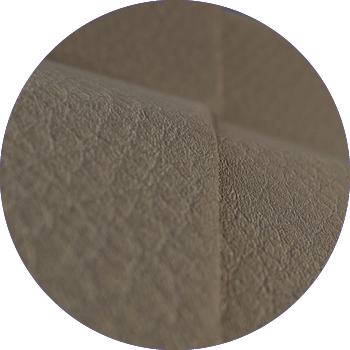
Softtouch
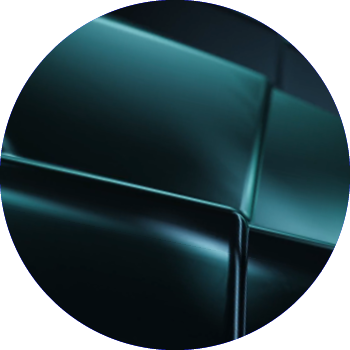
Coating
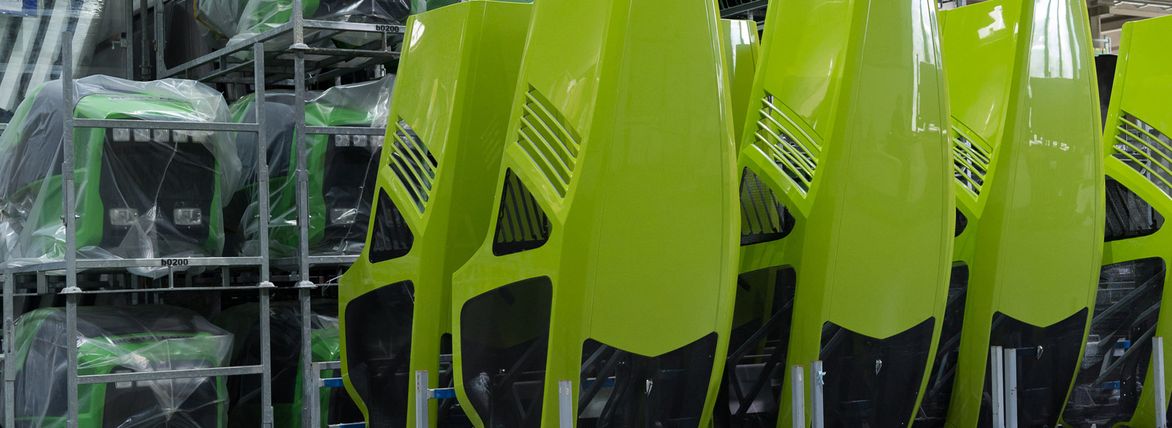
PARAT IS THE PERFECT PARTNER
locations in Europe and Asia with LFI-machines
modern machines for LFI
years of experience in Long Fibre Injection
Partnership from the beginning to the end
PARAT Technology is the safe choice for your project - we are at your side every step of the way, from the idea to the market launch.Our modern systems and the concentrated expertise of our employees guarantee first-class results at all times.

FULL-SERVICE PARTNER

Extensive Know-How

Modern
Machines

High supply
Reliability

FAQ about LFI
LFI technology is a reactive polyurethane process in which long glass fibers are mixed directly into the PU system and robotically applied into a mold. This results in stiff, robust components with high functional integration and excellent mechanical properties.
-
What distinguishes LFI technology?
LFI technology is a reactive polyurethane process in which long glass fibers are mixed directly into the PU system and robotically applied into a mold. This results in stiff, robust components with high functional integration and excellent mechanical properties.
-
Which products are particularly suitable for LFI technology?
LFI components have a wide range of applications. The technology is particularly suitable for large exterior parts with high mechanical demands, such as roof modules, front and rear walls for caravans, engine hoods, fenders, side doors and various trim parts for agricultural and construction machinery.
-
What is the maximum component size that can be produced?
The maximum size of a one‑piece component is approximately 2800 × 1800 mm, limited by available machinery. Significantly larger components can be produced through intelligent multi‑part designs.
-
In which annual quantity range is LFI particularly competitive?
Typical annual production volumes for LFI components range from approximately 500 to 10,000 units. Other quantities are possible depending on the specific application.
-
Can I request a custom color?
Certainly. The color options are almost unlimited but depend on procurement quantities — whether an individual custom color or a standard RAL tone.
-
Which functions can be integrated into LFI components?
Since the outer shell and inner side can be formed independently in the LFI process, features such as ribs, domes, grooves or mounting points/inserts can be integrated directly into the foam matrix.
-
What tool lifetimes are possible with LFI tooling?
Tool lifetimes are generally ensured throughout the entire project duration. Depending on geometry, up to 100,000 moldings per tool are achievable.
-
Is it possible to repair LFI components?
Yes, repairs are possible. Minor surface damage or scratches can usually be polished out. For more extensive repairs, the accompanying repair video provides guidance. Our experts are available for any further questions.